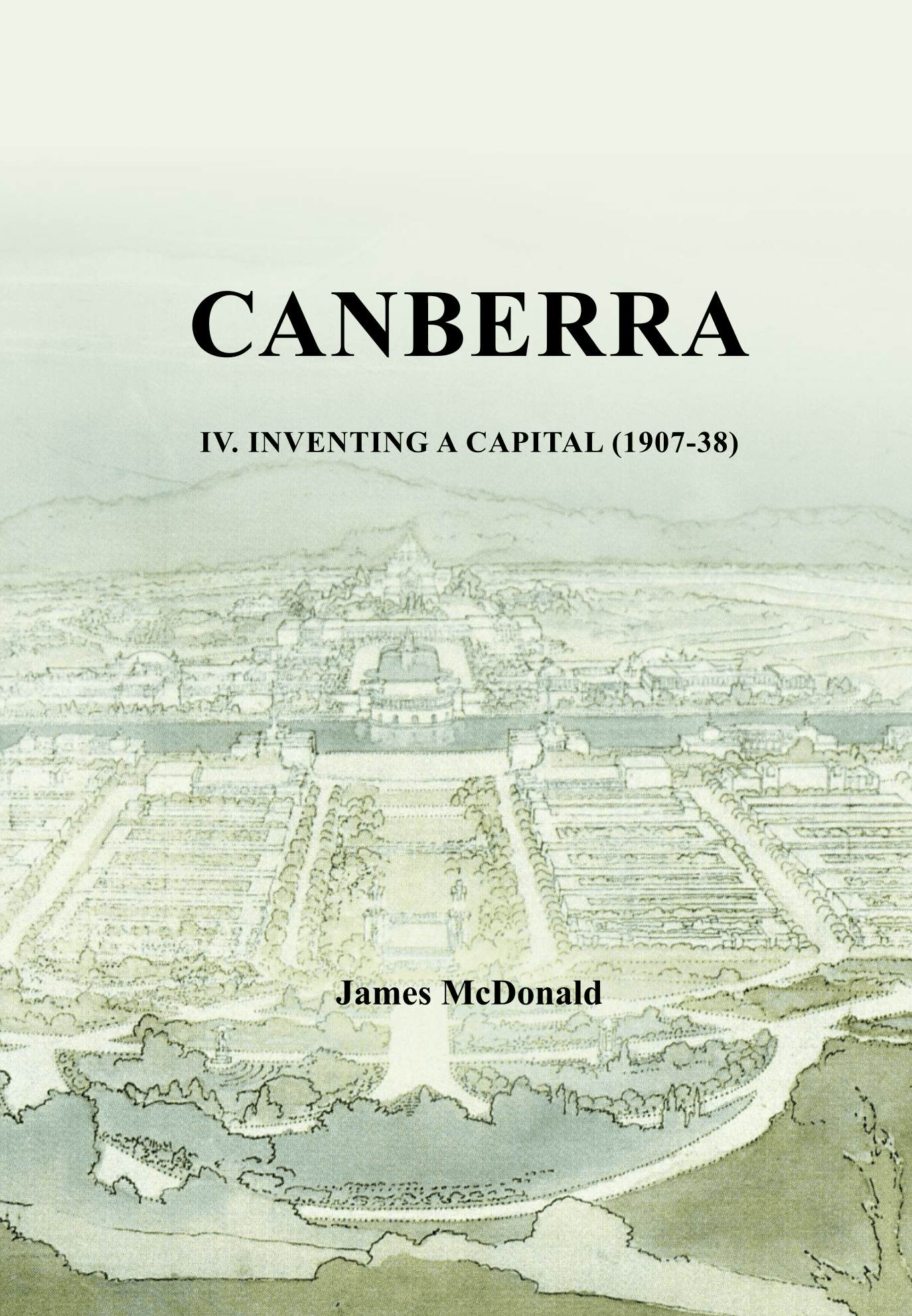
Canberra IV.
Inventing a Capital (1907-38)
Building the ‘bush capital’ was no small feat. The path was often diverted by jurisdictional jealousies, which bled into the painful processes of site selection and the choice of a design. The treatment of Walter and Marion Griffin and the dilution of their plan is a tragedy, which still polarises opinions to this day.
Canberra IV shows how development stalled during WWI, ramped up in the 1920s, but dampened down again during the Great Depression. The builders of Canberra never really had a clear run at what they were doing. This volume relays the carnage of the land resumptions and explains how flawed administrators such as David Miller, John Sulman, John Butters, and Charles Daley all struggled with limited budgets and unrealistic timeframes.
The Commonwealth’s attempt to win over the new city’s disenfranchised residents with civic baubles failed. Social engineering did not work. If anything galvanised the population, it was prohibition. Canberrans organised and asserted themselves in the late 1920s. McDonald explains how the new community did not emerge from the cosy cottages of a transplanted public service, according to script. Canberra evolved from a mix of elements, which also included the neglected workers’ camps, the rump of the old pastoral communities, and a budding commercial sector. The volume also covers the impact on neighbouring Queanbeyan, with that town changing in ways unimaginable at the turn of the century and, along the way, enduring some shabby treatment from the successive FCT administrations.
The fourth volume in McDonald’s Canberra series reveals some disconcerting truths. The capital was conceived within the context of the White Australia Policy. Despite the pomp of the very British celebrations for the opening of the provisional Parliament House, he shows how some ugly fractures within Australian society were exposed; in race, religion, and class. Nothing evinces this so clearly as the largely ignored sovereignty protest of Nangar and Ooloogan in May 1927.
ISBN 9780987049780
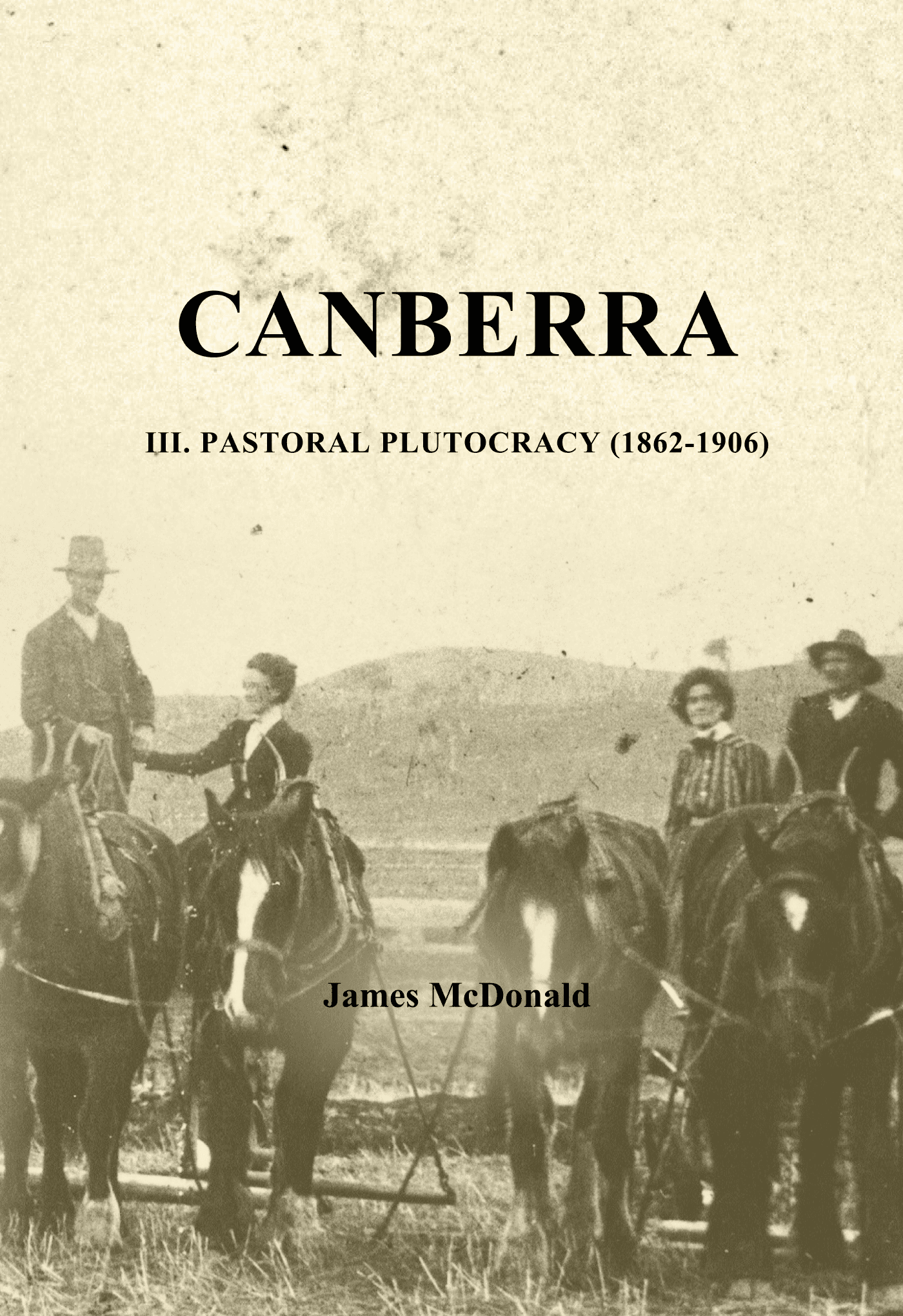
Canberra III.
Pastoral Plutocracy (1862-1906)
This volume commences with the free selection revolution of 1862. McDonald explains how land reform was bitterly opposed by most squires, who bullied small farmers and used fraud and litigation to get their way. But it also shows how resilient the free selectors were and how they organised to defend themselves. McDonald brings these small farming families back to life, fight by fight.
With a new database, he examines the demography of the Canberra-Queanbeyan district in the last half of the nineteenth century. He reveals the degree of tolerance (or lack of it) towards ethnic groups, LGBTQI+ individuals, and minority faiths. His, is the first study to cover the impact of the women’s suffrage movement in the district and the lives of female farmers and business leaders. He dispels the notion that a rare ‘racial harmony’ existed in the district. In truth, Aboriginal children were stolen, and the surviving bands were forced onto distant missions and reserves.
Canberra III also shows how the district became a resource for Sydney and, as the six British colonies edged closer to federation, how national issues, such as protectionism and the labour movement, played out between the Molonglo and Murrumbidgee. The tangled politics of the region are also unravelled with the pastoral plutocrats steadily losing gravitas to an emerging yeomanry and working class.
This much-anticipated third volume in McDonald’s seminal Canberra series has 36 maps, figures and tables, and 27 biographies and topic boxes.
ISBN 9780987049766
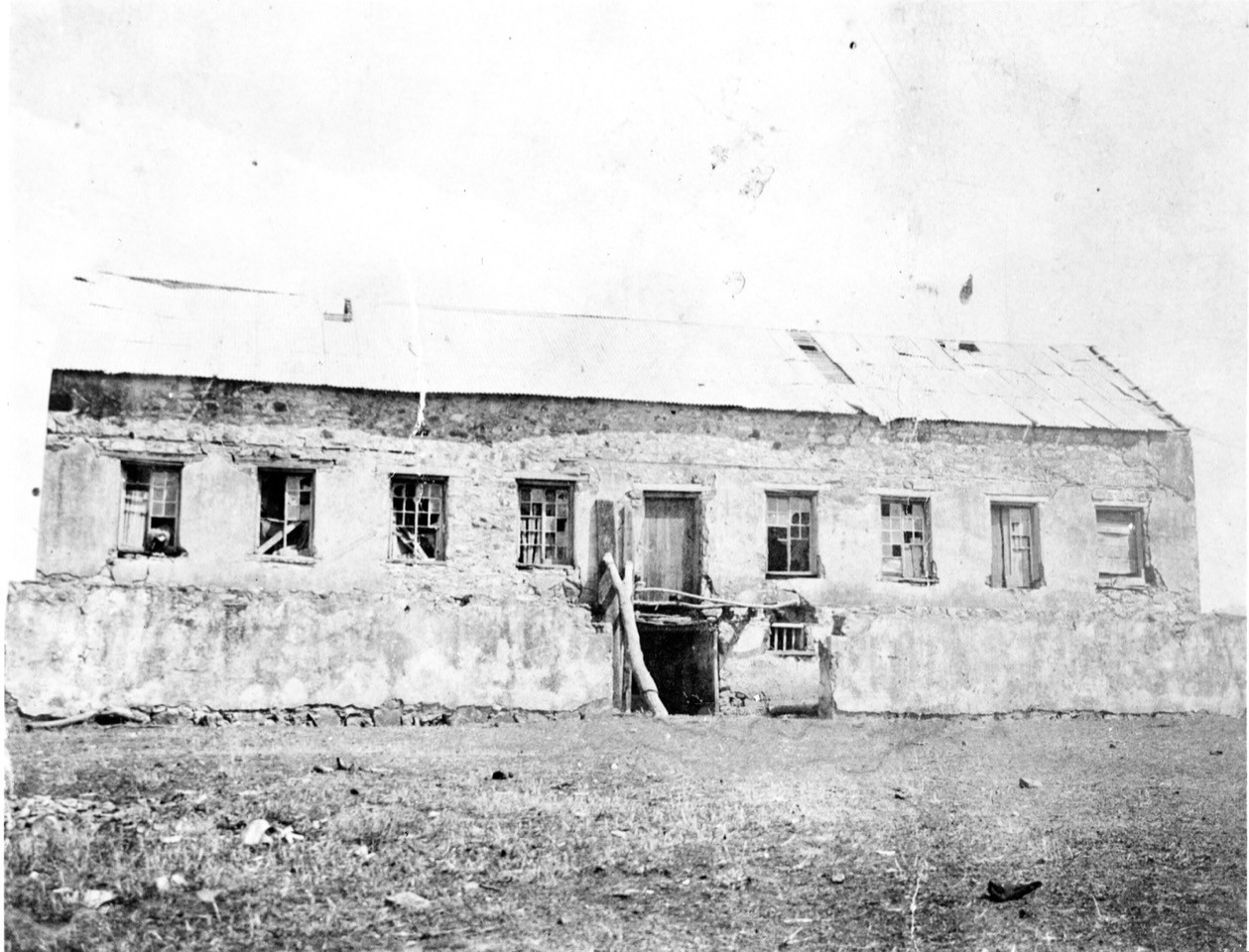
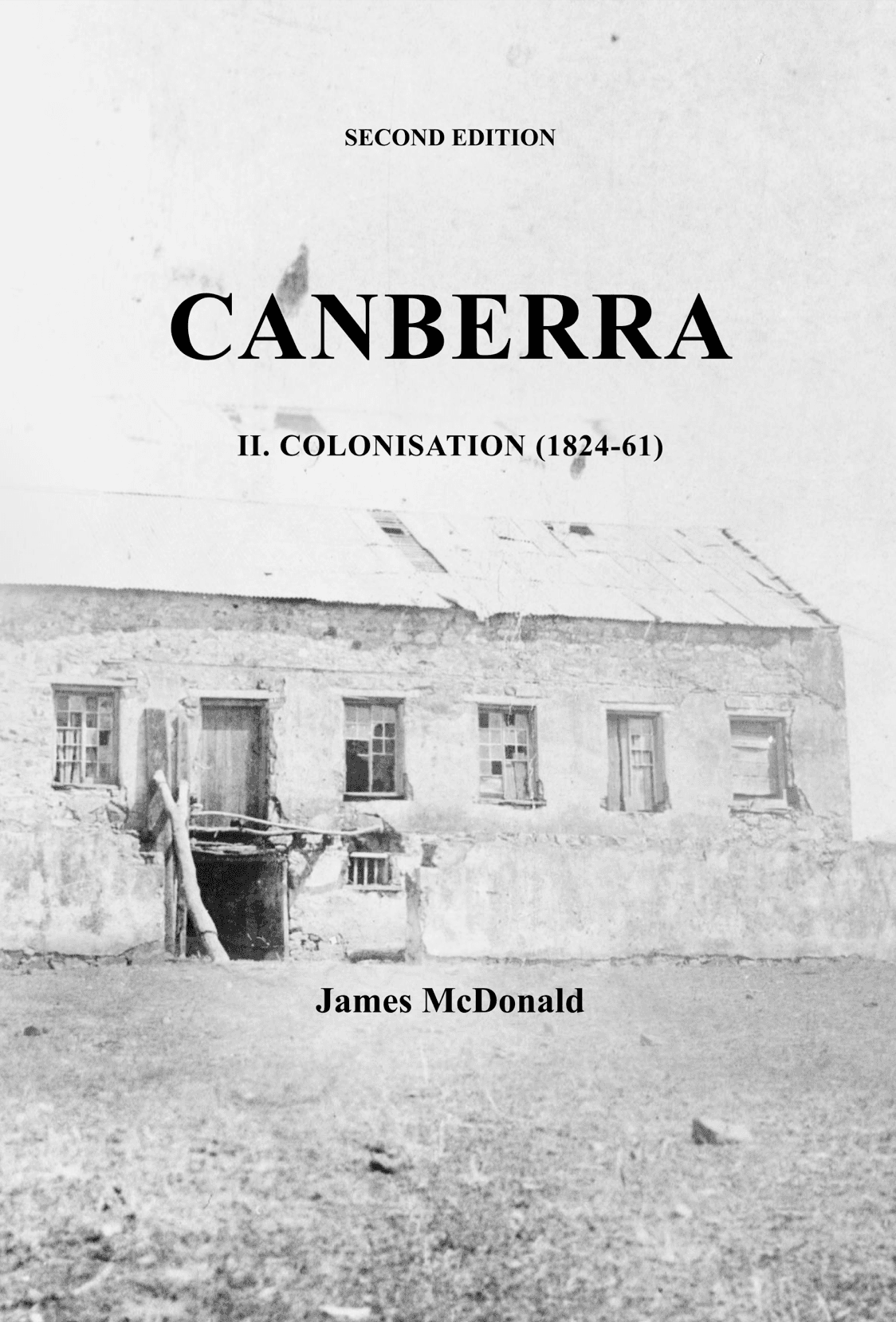
Canberra II.
Colonisation (1824-61)
This updated volume begins in 1824, when the first pastoralists appeared on the Molonglo, and concludes in 1861, the eve of Robertson’s pivotal land reforms.
For the local Aboriginal bands, this was a catastrophe. For the British it was about pastureland to feed the colony. McDonald covers the 1838-42 period, when NSW switched from a convict society to a free-migration model. It was also a time of debilitating drought and economic ruin. He examines the power of dominant family blocs (Campbells, Palmers, Murrays, Johnstons, Wrights, etc), the uneasy imposition of British law on the ‘frontier’, the gold rushes of the 1850s, and the ever-increasing pressure for political reform.
Canberra II drills down into the lives of ordinary people. It reveals some of the more elusive topics: the stories of women, children, LGBTQI+ individuals, the working poor, and the earliest ethnic households and enclaves.
Along the way, McDonald breaks new ground. A new pastoral chronology is constructed, acts of pastoral bastardry are exposed, the violence of the Frontier Wars is catalogued, Canberra’s first female bushranger (Mrs Winter) is unearthed, the Anglican foundation myth is debunked, and he even asks whether AFL had its inception on the Molonglo.
In this edition of the second volume of McDonald’s Canberra series, new material and research is added, including appendices on the mysterious Barnett of Burbong and John Tennant’s alleged connection to Tharwa.
ISBN 9780987049773
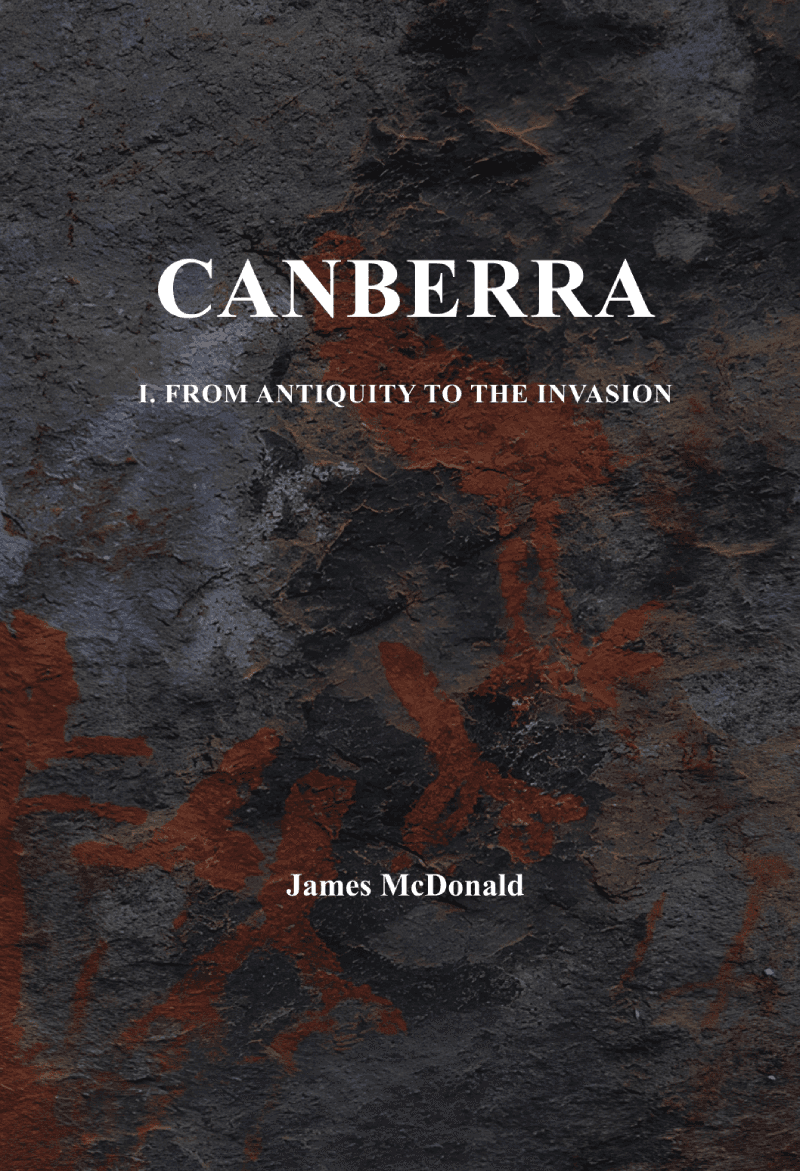
Canberra I.
From Antiquity to the Invasion
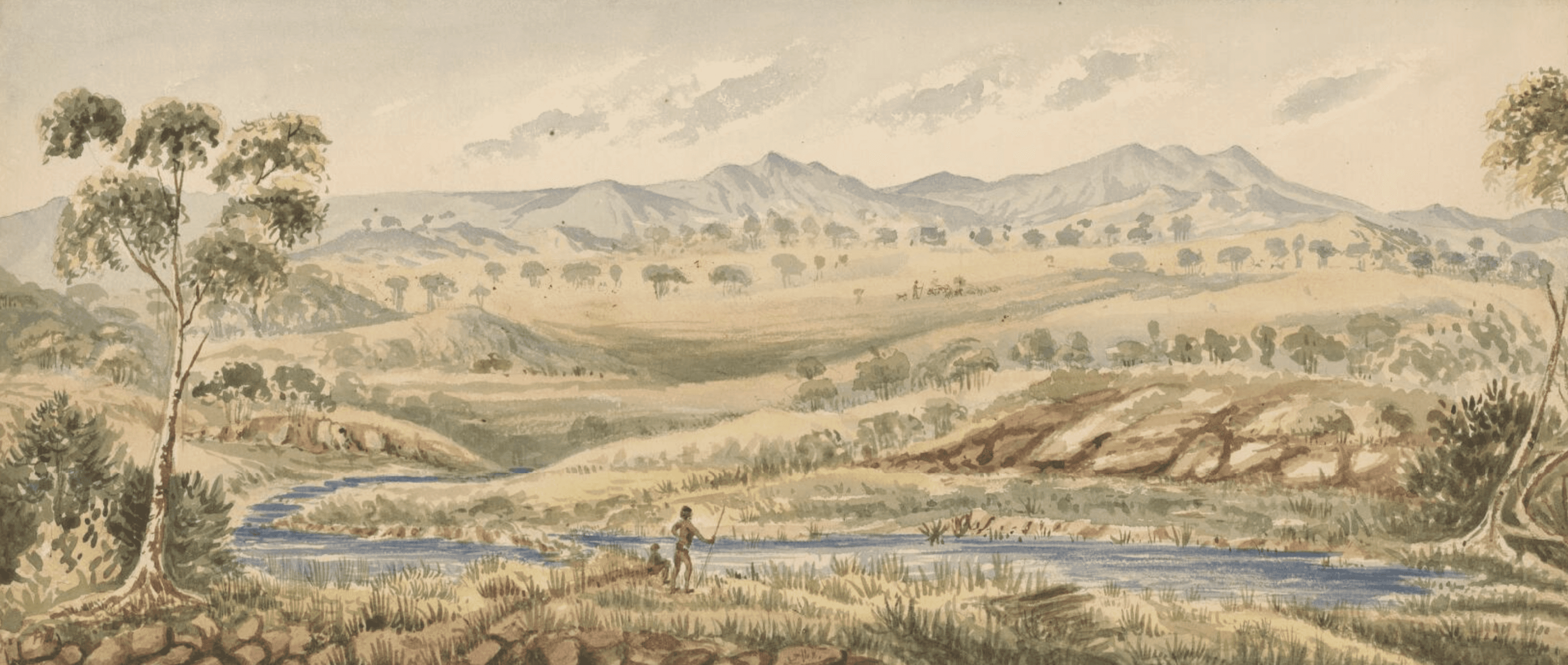
Volume 1 commences with the prehistory of the district and how the landscape evolved into its recognisable form by the end of the last Ice Age. McDonald considers controversial evidence related to possible hominin occupation at Lake George, 130,000 years ago.
The volume discusses how Aboriginal occupation was concentrated at campsites along the waterways, especially during the temperate months
and in the alpine areas in winter and during the moth-hunting season at
mid-summer. Agriculture, aquaculture and hunting methods are examined, including fire-stick farming. Local religious practices and views on the afterlife are also considered as well as the nature and structure of the different local Aboriginal bands in the 1820s and beyond. McDonald also includes new research on the first British expeditions to Canberra and their use of Aboriginal expertise.
The most confronting chapter of this volume deals with the invasion.
In Canberra it used to be claimed that there was no resistance.
McDonald debunks this myth, showing that the impact was genocidal.
Volume 1 also includes the first historiography for Canberra.
ISBN 9780987049742
Sold out
Where to buy
Copies of the Canberra series are also available for purchase at:
Canberra Museum and Gallery
Corner of London Circuit and City Square, Canberra City
Canberra and District Historical Society
Curtin Shopping Centre
Lanyon Homestead
Tharwa Drive, Tharwa
Hall Heritage Centre
19 Palmer Street, Hall
Purchasing multiple volumes
Email hello@canberrahistory.net to purchase multiple books or to enquire about international shipping.
We are based in Naarm (Melbourne) and acknowledge the Wurundjeri Woi Wurrung people on whose land we work. Our publications focus on the history of Ngaanbirr (Canberra), the home of the Ngambri and Ngunawal peoples. We note the ancient connections of people from Naarm and Ngaanbirr, who share a common recognition of Baiame/Bunjil, and who would come together at midsummer in the Alps for the bogong feasting.
About the author
James McDonald has been working on his history of Canberra for the past decade. In 2023, the first two volumes became available. Volumes 5-6 will be released in 2027-28. He has written over 50 articles on Canberra’s history since 2015.
His interests have varied over the years. McDonald edited and completed the first two volumes of Doug Kelly’s posthumous commentary on Xenophon’s Hellenika. The first volume was published in 2019 (Hakkert, Amsterdam). The second will be out in 2026. Dr McDonald convened Greek history briefly at the University of Sydney and lectured at the Australian National University in the 1990s. He wrote libretti for Nigel Butterley and other composers in the 1980s (performed in New York, Paris, and London). He currently works as the speech writer for the National Aboriginal Community Controlled Health Organisation (NACCHO). He has been married to Kastellorizian artist, Joy (Eftihia) McDonald for over 40 years.